👉 Priced from $1357 depending on size and fabric — GET A QUOTE — FAST ONLINE
Outdoor Blinds are designed to turn patios, decks, verandahs and alfresco areas into usable outdoor living spaces — without sacrificing light, views, or comfort. Our outdoor blinds are professionally supplied and installed using the Omni Screen system, delivering reliable protection from sun, wind and rain with a clean, architectural finish
We offer Omni Lite and Omni Channel outdoor blinds, engineered for real-world use in exposed New Zealand conditions. Choose from clear or tinted PVC where wind and rain protection is the priority, or high-performance mesh for glare control, airflow and daytime privacy. Systems are available in manual or motorised operation and are made to measure for each opening
Outdoor Blinds are a service-only product. We manage measuring, specification and installation to ensure correct tensioning, safe operation and long-term performance — particularly important for coastal, windy or high-use outdoor areas

👉 GET A QUOTE
High quality yet economical
4–5 weeks
2–10 years*
Order before November 17
Creating outdoor space / Wind protection
20+ years experience
4.5 m X 3 m drop
PVC & MESH options
Our Outdoor Blinds use the Omni Screen system — a made-to-measure exterior screen designed for patios, decks, pergolas and outdoor living areas
Omni Screens can be made using clear PVC, tinted PVC or exterior mesh fabric, depending on whether your priority is weather protection, shade, privacy, airflow, or maintaining the view. Each blind is professionally measured, specified and installed so the system is suited to the opening, exposure and intended use
We offer two screen options: Omni Lite and Omni Channel
Omni Lite is the simpler straight-drop outdoor blind option. It rolls down from the top, anchors at the bottom when lowered, and rolls away neatly when not in use
It is best suited to more sheltered patios, decks and outdoor areas where a clean, minimal finish is wanted. Omni Lite is the more economical option, while still giving useful shade, privacy and weather protection when conditions are suitable
Because Omni Lite is not held in side channels, it should be operated with care in wind or gusty conditions. We will recommend it only where we believe it is suitable for the opening and exposure
Omni Channel is the stronger, more secure outdoor blind option. It uses side channels to guide and hold the blind as it travels up and down, creating a cleaner finish and better protection from wind movement
This is usually the best choice for more exposed patios, decks and outdoor living areas, or where you want a more refined installed solution. The side channels help the blind sit more securely, make operation easier, and improve the overall fit and finish
Omni Channel can be manual or motorised, and is the option we are most likely to recommend where wind protection, ease of use and long-term performance are priorities
We use Tempo motors for motorised Outdoor Blinds. They are reliable, easy to operate and come with a 5 year motor warranty
Motorisation adds approximately $325 per Omni Screen. Remotes, wall switches and WiFi hub options are available separately, depending on how you want to operate your blinds
Outdoor blind motors need to be hard wired into your home power, so your electrician will need to allow for the electrical connection separately
Pelmets may be recommended or required depending on the installation, exposure and warranty requirements. We will confirm this as part of your quote
Omni Screen outdoor blinds take about 4–5 weeks to manufacture after order confirmation. Because Outdoor Blinds are a professionally installed product, final timing also depends on the initial site measure, installation availability, location, access and weather
We will keep you updated throughout the process
Our Omni Screens are manufactured here in New Zealand
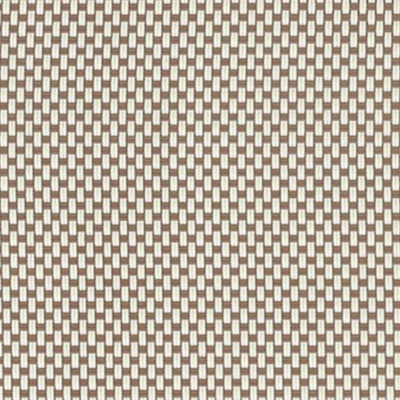
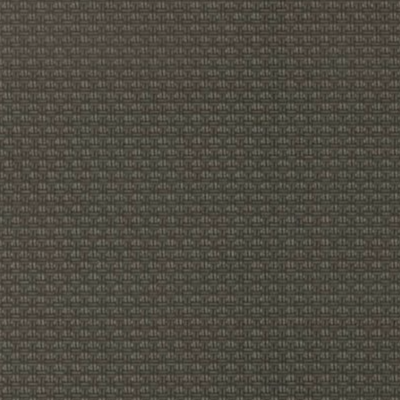
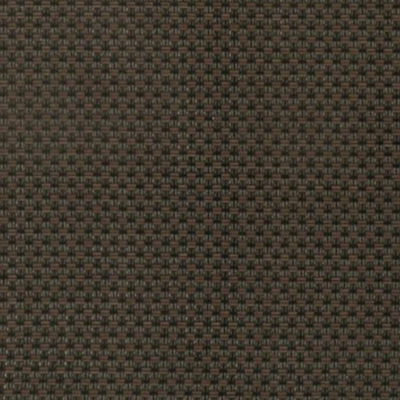
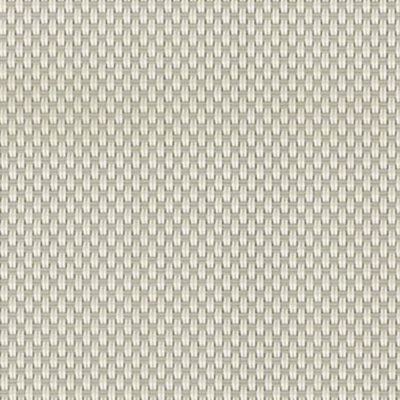
Outdoor Blinds can be made with clear PVC, tinted PVC or exterior mesh fabric, depending on the result you want Clear PVC is best when keeping the view is the priority, while still adding useful wind and rain protection. Tinted PVC gives a similar clear-blind function with extra glare reduction and a more shaded feel Mesh fabrics are a good option where shade, airflow, daytime privacy and a softer outdoor-living feel are more important than full visibility. Mesh is often preferred for patios, decks and outdoor areas where comfort and sun control are the main goals Hardware is available in standard colours, with custom powder-coating available where required. We will help confirm the best fabric, colour and hardware combination as part of the service. An initial quote is prepared first, and once you are happy with the quote we can arrange loan samples, then the on-site measure and consultation where required)
Clear PVC is the best option when keeping the view is the priority. It creates a see-through outdoor blind that helps protect patios, decks and outdoor living areas from wind and rain while still maintaining outlook
Tinted PVC offers a similar clear-blind function with added glare reduction and a more shaded feel. PVC is a good choice where weather protection and visibility are more important than airflow
Shadeview Urban Mesh is a strong option where shade, daytime privacy, airflow and comfort are the priorities
It diffuses light, softens glare and helps protect your outdoor space from sun and weather exposure while still retaining some view. With a high shade factor and a practical range of popular colours, mesh is well suited to patios, decks and outdoor living areas where you want a more comfortable, usable space without fully closing it in
Omni Screen outdoor blinds include warranty cover across the main system components, with warranty periods varying depending on the hardware, fabric and motorisation selected
As a guide, hardware and fabrication include a 2 year limited warranty, Tempo motors include a 5 year motor warranty, and selected fabric warranties may extend up to 10 years
Warranty cover depends on correct operation and normal care. Outdoor Blinds should be used with regard to changing weather conditions and retracted in high wind or extreme weather
Full warranty wording can be downloaded below. Operational care and maintenance recommendations are also included in the Warranty PDF
Outdoor Blinds are ideal when you want to improve comfort, shade, privacy and weather protection around patios, decks and outdoor living areas
If your main goal is overhead shade, our retractable awnings may be a better option. For indoor glare, heat and daytime privacy, sunscreen blinds are a great solution
Are outdoor blinds worth it?
Yes — outdoor blinds can be well worth it if you want to make a patio, deck, pergola or outdoor living area more usable.
They help improve comfort by adding shade, privacy and protection from wind and rain. They can also help protect outdoor furniture and make an outdoor area feel more finished.
The key is choosing the right system for the space. Cheap ready-made outdoor blinds may suit basic sheltered areas, but professionally supplied and installed Omni Screen outdoor blinds are the better option when fit, operation, durability and long-term performance matter.
What are outdoor blinds best used for?
Outdoor blinds are best used around patios, decks, pergolas, verandahs and outdoor living areas where you want better shade, privacy, wind and weather protection.
They are commonly used to make an outdoor area more comfortable for relaxing, dining and entertaining.
Outdoor blinds are weather-protection products, not permanent walls. They help improve comfort and shelter, but they do not turn an outdoor space into a fully sealed room.
Are outdoor blinds suitable for patios and decks?
Yes — patios and decks are two of the most common places for outdoor blinds.
They can help reduce wind, glare and rain exposure, while also adding privacy and making the area feel more usable. Clear PVC is often chosen when keeping the view is important, while mesh is often better where shade, airflow and daytime privacy are the main goals.
For exposed decks or windy areas, Omni Channel is the better option because the blind is guided and held within side channels.
Are outdoor blinds good for NZ conditions?
Yes — outdoor blinds can work very well in New Zealand conditions when the correct system is chosen and installed properly.
NZ homes often have outdoor areas exposed to sun, wind, rain and coastal conditions. Omni Screen outdoor blinds are designed for these kinds of spaces, with PVC or mesh options, manual or motorised operation, and finishing choices to suit different levels of exposure.
For more exposed areas, we will usually recommend Omni Channel rather than a simple straight-drop blind.
Are outdoor blinds suitable for coastal areas?
Yes — outdoor blinds can be suitable for coastal areas, but product choice, installation and maintenance matter.
Omni Screen hardware is aluminium and powder-coated, which helps with coastal durability. However, salt air is still harsh on exterior products, so regular cleaning is important.
In coastal areas, powder-coated components should be cleaned more often to remove salt and other deposits. A mild detergent, soft brush or sponge, and clean fresh water are normally recommended.
Are outdoor blinds waterproof?
Clear and tinted PVC outdoor blinds provide the best rain protection because PVC is a solid material.
Mesh outdoor blinds are more about shade, airflow, glare reduction and daytime privacy. Mesh can help reduce weather exposure, but it is not the same as clear PVC when rain protection is the priority.
Even with PVC, outdoor blinds should be viewed as weather-protection products rather than permanent waterproof walls. Performance depends on the opening, wind direction, installation and how exposed the area is.
Do outdoor blinds keep rain out?
Outdoor blinds can help keep rain out, especially when clear or tinted PVC is used.
PVC is the best option where rain protection and visibility are the main priorities. It helps shield patios, decks and outdoor areas from rain while still allowing light and outlook.
However, rain can still enter depending on wind direction, gaps, surrounding structure and the layout of the outdoor area. Outdoor blinds improve protection, but they do not create a fully sealed room.
Do outdoor blinds block wind?
Outdoor blinds can significantly reduce wind, especially when the correct system is chosen for the area.
Omni Channel provides better wind protection than Omni Lite because the blind is guided and held within side channels. This helps reduce side movement and gives a more secure installed result.
Omni Lite is still secured at the bottom when lowered, but because it is not retained down the sides, it is better suited to more sheltered areas and should be used with more care in windy or gusty conditions.
Can outdoor blinds be used in high wind?
Outdoor blinds should be retracted in high wind or extreme weather.
Even strong outdoor blind systems have limits. Wind can change quickly, and leaving a blind down in unsuitable conditions can cause unnecessary strain, movement or damage.
When the blind is lowered, the bottom rail should be secured using the correct clips or slide-locks. In stronger or more exposed areas, Omni Channel is the better option because the side channels help hold the blind more securely.
What is the difference between clear PVC and tinted PVC outdoor blinds?
Clear PVC is best when keeping the view is the priority. It gives a see-through outdoor blind that helps protect the area from wind and rain while still maintaining outlook.
Tinted PVC works in a similar way, but adds glare reduction and a more shaded feel. It can be a good option where the area gets strong sun but you still want a clear-blind style rather than mesh.
Both options are better for visibility and rain protection than mesh, but they do not provide the same airflow.
What is the difference between PVC and mesh outdoor blinds?
PVC and mesh outdoor blinds suit different priorities.
PVC is best when visibility, wind protection and rain protection are the main goals. It is often chosen for outdoor areas where people want to keep the view while reducing weather exposure.
Mesh is best when shade, airflow, glare control and daytime privacy are more important. It gives a softer outdoor-living feel and is often preferred for patios and decks where comfort and sun control are the main goals.
Is mesh or PVC better for outdoor blinds?
Neither is always better — it depends on what you want the blind to do.
Choose PVC if your priority is visibility and stronger wind and rain protection.
Choose mesh if your priority is shade, airflow, glare reduction and daytime privacy.
For some homes, a mix of PVC and mesh may make sense depending on the side of the patio, sun direction, wind exposure and view.
What is Shadeview Urban Mesh?
Shadeview Urban Mesh is the most popular mesh option for our Omni Screen outdoor blinds.
It is a good choice where shade, airflow, daytime privacy and comfort are more important than having a completely clear view. Mesh is often preferred for patios, decks and outdoor living areas where sun control and a softer outdoor feel are the main goals.
Loan samples can be arranged once an initial quote has been prepared and you are happy the solution is likely to be within budget.
Do outdoor blinds provide privacy?
Yes — outdoor blinds can improve privacy, especially when mesh is used.
Mesh outdoor blinds are good for daytime privacy because they reduce visibility from outside while still allowing airflow and some view out. The level of privacy depends on the fabric colour, light conditions and whether it is brighter inside or outside.
Clear PVC is not a privacy product. It is better when visibility and weather protection are the main priorities.
What is an Omni Screen outdoor blind?
Omni Screen is the outdoor blind system we use for our professionally supplied and installed outdoor blinds.
It is a made-to-measure exterior screen system designed for patios, decks, pergolas and outdoor living areas. Omni Screens can be made using clear PVC, tinted PVC, or exterior mesh, with manual or motorised operation available.
We offer Omni Lite and Omni Channel, depending on the opening, exposure and the result you want.
What is the difference between Omni Lite and Omni Channel?
Omni Lite is the simpler straight-drop outdoor blind option. It rolls down from the top, anchors at the bottom when lowered, and rolls away neatly when not in use.
Omni Channel adds side channels, which guide and hold the blind as it moves up and down. This gives a more secure, streamlined finish and better protection from wind movement.
Omni Lite is the more economical option and is best for more sheltered spaces. Omni Channel is the better option for exposed patios, decks and outdoor areas where wind protection, ease of use and long-term performance are priorities.
Do outdoor blinds need side channels?
Not always.
Omni Lite does not use side channels. It is a straight-drop outdoor screen that anchors at the bottom when lowered. It can be a good option for more sheltered areas and is the more economical approach.
Omni Channel uses side channels to guide and hold the blind. This makes it better suited to exposed areas, larger openings, and situations where wind protection, side retention and a cleaner installed finish are important.
Both Omni Lite and Omni Channel can be manual or motorised. If motorising Omni Lite, extra care is needed because the sides are not retained. The blind should be watched while raising and lowering, and assisted if needed to prevent excessive movement in windy or gusty conditions.
Are your outdoor blinds DIY?
No — Outdoor Blinds are a service-only product.
They are professionally measured, specified and installed. This is important because outdoor blinds need to be suited to the opening, fixing surfaces, exposure and intended use.
Professional installation helps ensure correct fit, tensioning, operation and long-term performance.
How does the outdoor blind quote process work?
Start by completing the get a quote form below with your approximate sizes. Please also email us a few photos of the area where you want the outdoor blinds installed.
Photos are helpful because they let us check the opening, fixing surfaces, surrounding structure and likely suitability. We can prepare an initial quote from your sizes and use the photos to make sure the proposed outdoor blind system is suitable before things go too far.
If the quote is within budget and you are happy to proceed, we can arrange loan samples and organise an on-site measure and consultation to get things underway.
Do you offer loan samples for outdoor blinds?
Yes — loan samples can be sent once an initial quote has been prepared.
This helps make sure the solution is likely to be within budget before samples are sent out. Samples are useful for comparing mesh colours, checking how the fabric looks in your own light, and deciding whether PVC or mesh is the better direction.
Shadeview Urban Mesh is the most popular and economical mesh option.
Outdoor blind samples are sent separately by us, not with the installer / consultant. Please return the samples once you have finished with them so they remain available for other customers.
How much do outdoor blinds cost?
Outdoor blind pricing depends on the size, fabric, system type, operation method and installation requirements.
Omni Lite is more economical than Omni Channel, while motorisation, remotes, wall switches, WiFi hub options, pelmets, access requirements and installation details will all affect the final price.
Because outdoor blinds are made to suit the area, the best starting point is to send through approximate sizes and photos so we can prepare an initial quote for you.
Why are some outdoor blinds much cheaper?
Some outdoor blinds are much cheaper because they are basic DIY or ready-made products.
They may use lighter componentry, thinner materials, standard sizes, simpler fixings and less refined operating systems. That can be fine for some basic sheltered areas, but it is not the same as a professionally measured and installed outdoor blind system.
Omni Screens use stronger componentry, made-to-measure sizing, clear or tinted PVC, mesh options, and professional installation. The goal is better fit, better operation and better long-term performance — not being the cheapest option in the market.
Are Omni Screens better than cheap DIY outdoor blinds?
They are a different level of product.
Cheap DIY outdoor blinds can suit simple, low-budget situations where the opening is sheltered and a standard size works well enough.
Omni Screens are made to measure and professionally installed. They are better suited when you want a cleaner finish, better operation, stronger componentry, a more tailored result and advice on whether the area is suitable.
For exposed spaces, larger openings or outdoor areas you use often, a professionally installed system is usually the better long-term choice.
Should I choose manual or motorised outdoor blinds?
Manual operation is the more economical option. It uses a crank handle and gearbox to raise and lower the blind.
Motorisation is better when ease of use is important, especially for larger blinds or blinds that will be used often. Motorised Outdoor Blinds use Tempo motors and can be operated with compatible remotes, wall controls or WiFi hub options.
For Omni Lite, the blind still needs to be monitored carefully while it moves because it is not held within side channels. For exposed areas, motorised Omni Channel is often the more practical option.
How much does motorisation add to outdoor blinds?
Tempo motorisation adds approximately $325 per Omni Screen.
Control options are selected separately depending on how you want to operate the blinds.
As a guide:
Motorised Outdoor Blinds require a hard-wired power connection, so please allow separately for your electrician to connect the blinds to your home power supply.
Are remotes and WiFi hubs included with motorised outdoor blinds?
No — remotes, wall switches, WiFi hubs and USB repeaters are selected and priced separately as required.
Quotes cover the outdoor blind and Tempo motor — control options depend on how many outdoor blinds you have and how you want to operate them.
Available control options include:
A WiFi hub allows compatible motorised outdoor blinds to be controlled by app. A USB repeater may be recommended where signal range needs support.
Do motorised outdoor blinds need an electrician?
Yes — motorised Outdoor Blinds need to be hard wired into your home power supply.
Your electrician will need to allow for routing power and completing the electrical connection to the blind motor. This electrical work is separate from the outdoor blind quote.
Are pelmets or flashings needed for outdoor blinds?
Pelmets or flashings may be recommended depending on the installation.
They help protect the roller, fabric and motor area from weather exposure, which can improve appearance and help prolong product life. They are especially worth considering for motorised outdoor blinds or more exposed installations.
We will advise whether a pelmet or flashing is recommended as part of the quote.
How are Omni Screen outdoor blinds operated?
Omni Screen outdoor blinds can be operated manually or motorised.
Manual blinds use a crank handle and gearbox to raise and lower the blind. Motorised blinds use Tempo motors and can be operated with suitable remotes, wall controls and/or WiFi hub options.
When the blind is lowered, the bottom rail should be secured using the appropriate clips or slide-locks, depending on the system chosen.
Can Omni Channel outdoor blinds be locked at different heights?
Yes — Omni Channel outdoor blinds can be set up to lock at different heights.
This can be useful when you want some airflow rather than having the blind fully down. Extra locking points need to be allowed for and are best discussed during the quote or installation process.
Omni Lite is different. It is not designed to lock at different heights. When in use, it should be safely lowered and clipped into its deck or floor anchors, or rolled away when not needed.
Do the slide-locks on motorised Omni Channel blinds engage automatically?
No — the slide-locks need to be engaged manually.
Even with motorisation, the bottom rail still needs to be secured once the blind is lowered. The slide-locks help hold the blind in place and reduce movement in wind.
If the locks are not engaged, the blind may move more than it should if wind picks up.
What happens if I press the up button while the slide-locks are still engaged?
The slide-locks should always be disengaged before raising a motorised Omni Channel outdoor blind.
If you press the up button while the slide-locks are still engaged, the motor may stop through its torque-sensing feature, but damage to the locks, channels or blind is still possible.
Damage caused by incorrect operation is not covered by warranty. It is best to build the habit of unlocking the bottom rail before raising the blind.
Should outdoor blinds be left halfway down?
Outdoor blinds should generally be either properly lowered and secured, or fully retracted when not in use.
Leaving a blind partway down without being secured can allow fabric movement and unnecessary strain, especially if wind conditions change.
Omni Channel can be set up with locking points at different heights, but the blind should still be properly locked and tensioned in those positions. Omni Lite is different — it should be lowered and clipped into its deck or floor anchors, or rolled away when not needed.
When not in use, outdoor blinds should be raised to the fully retracted position.
Can outdoor blinds be rolled away wet?
Outdoor blinds should not be rolled away wet if it can be avoided.
Rolling fabric or PVC away while wet can encourage mould, mildew and cloudiness. If a blind is rolled away wet because weather conditions require it, it should be lowered again and allowed to dry properly as soon as practical.
This is especially important for clear PVC, where correct care helps maintain clarity and appearance.
How do I clean outdoor blinds?
Outdoor blinds should be cleaned gently.
Mesh fabric can be brushed with a non-abrasive brush and rinsed with clean cold water. For marks, use mild detergent and lukewarm water, then rinse thoroughly and allow the blind to dry completely before rolling it away.
Clear and tinted PVC should be cleaned with mild soap and warm water, then rinsed with clean water and dried with a soft cloth or sponge. Do not use solvents, harsh chemicals or abrasive cleaners.
How long do outdoor blinds last?
Outdoor blinds can last years and years when they are correctly specified, installed, operated and maintained.
Lifespan depends on the fabric or PVC chosen, the level of exposure, wind conditions, coastal conditions, maintenance and how the blinds are used.
Regular cleaning, retracting blinds in high wind, not rolling them away wet, and using the locking system correctly all help protect the product and extend its useful life.
What warranty do Outdoor Blinds come with?
Omni Screen Outdoor Blinds include warranty cover across the main system components, with warranty periods varying depending on the hardware, fabric and motorisation selected.
As a guide, hardware and fabrication include a 2 year limited warranty, Tempo motors include a 5 year motor warranty, and selected fabric warranties may extend up to 10 years.
Warranty cover depends on correct operation and normal care. Outdoor Blinds should be used with regard to changing weather conditions and retracted in high wind or extreme weather.
Full warranty wording can be downloaded from the warranty section. Operational care and maintenance recommendations are also included in the Warranty PDF.
Do you have a showroom for outdoor blinds?
No — we do not currently have a showroom set up for Omni Screen Outdoor Blinds.
We can provide product information, photos, fabric details and loan samples where appropriate. Photos of your outdoor area are usually the best starting point because they allow us to comment on likely suitability before arranging an on-site measure or consultation.
Where are your Omni Screen outdoor blinds made?
Our Omni Screen Outdoor Blinds are manufactured in Penrose, Auckland, New Zealand.
They are made to measure for each opening and professionally installed as a service-only product. This helps ensure the blind is suited to the space, exposure, fixing surfaces and intended use.